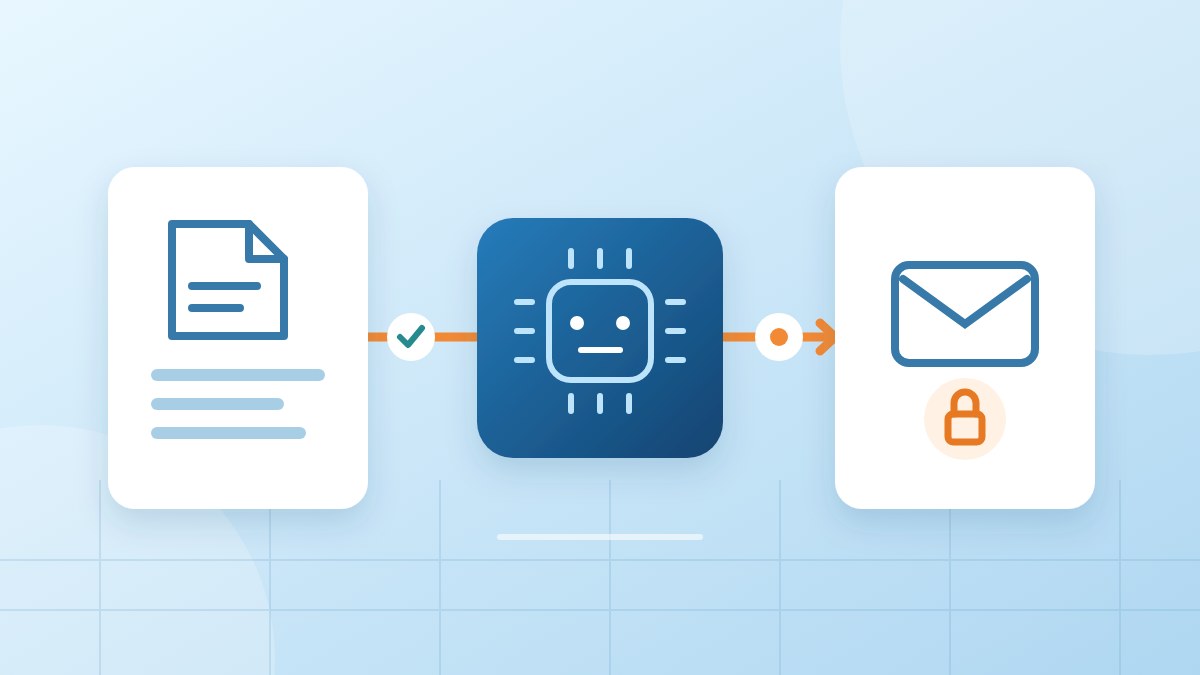
An AI agent that prepares a quotation does not necessarily need permission to send it. It can read a price list, suggest an offer and highlight missing information. Changing prices, confirming terms and emailing a customer are separate permissions. Keeping them distinct makes automation usable in everyday work.
Designing AI agent security for a business starts with operations: which data agents can see, which actions they can perform and who is accountable for the outcome. Model selection belongs within that design, alongside connections to CRM, business software, documents and email.
Microsoft’s Agent 365 announcements at Ignite on 17 November 2026 put identity, governance and visibility at the centre of agent management. They describe new ways to manage agents across platforms and control access. Several capabilities remain in preview or are being rolled out: availability and coverage need checking for the chosen platform.
The practical question for an SME is straightforward: before connecting an assistant to business systems, what authority are we giving it? This can be addressed for a single process without adopting a vendor’s entire ecosystem.
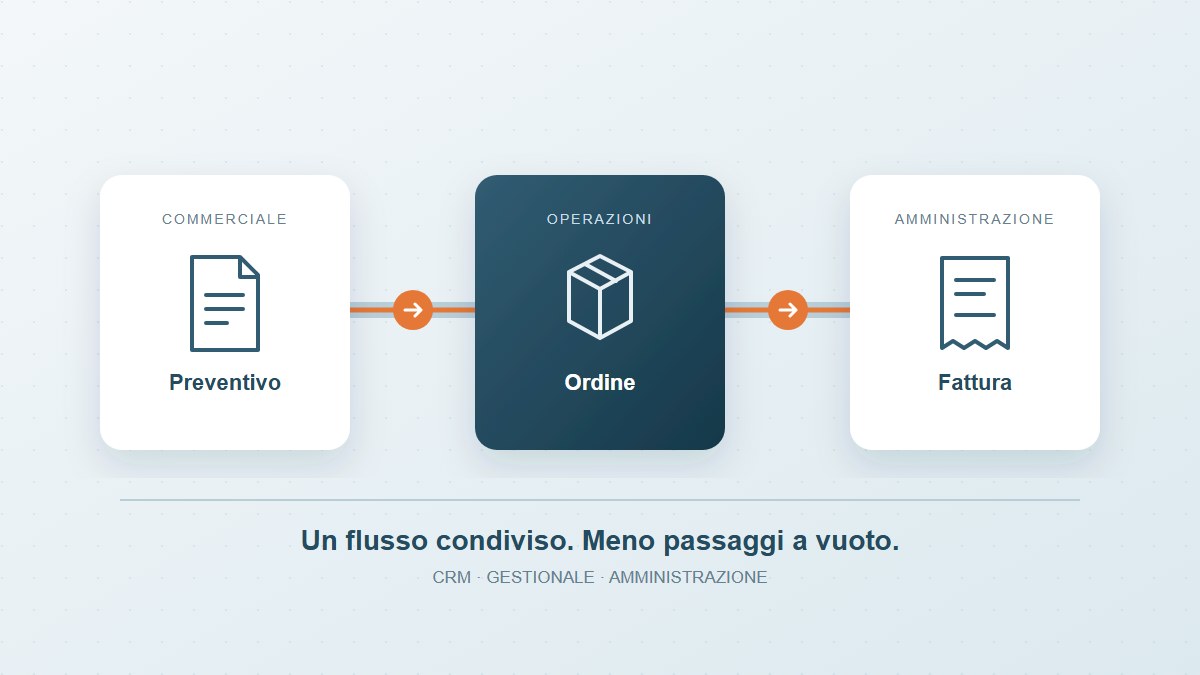
Consider a hypothetical example: a company wants to respond faster to requests for quotations. A salesperson receives an email, checks products and availability, applies agreed terms and prepares the offer.
If the customer requests a discount above the permitted threshold, the agent can flag it. The system must prevent it from granting the discount on its own. If the content changes after approval, authorisation to send must be checked again.
Our article on AI agents in business management software and human oversight explores which activities to automate. Here, the next step is turning those decisions into permissions that can be tested.
For each agent, we suggest a short brief shared by the people who understand the process and those implementing the integration. It should answer at least these questions:
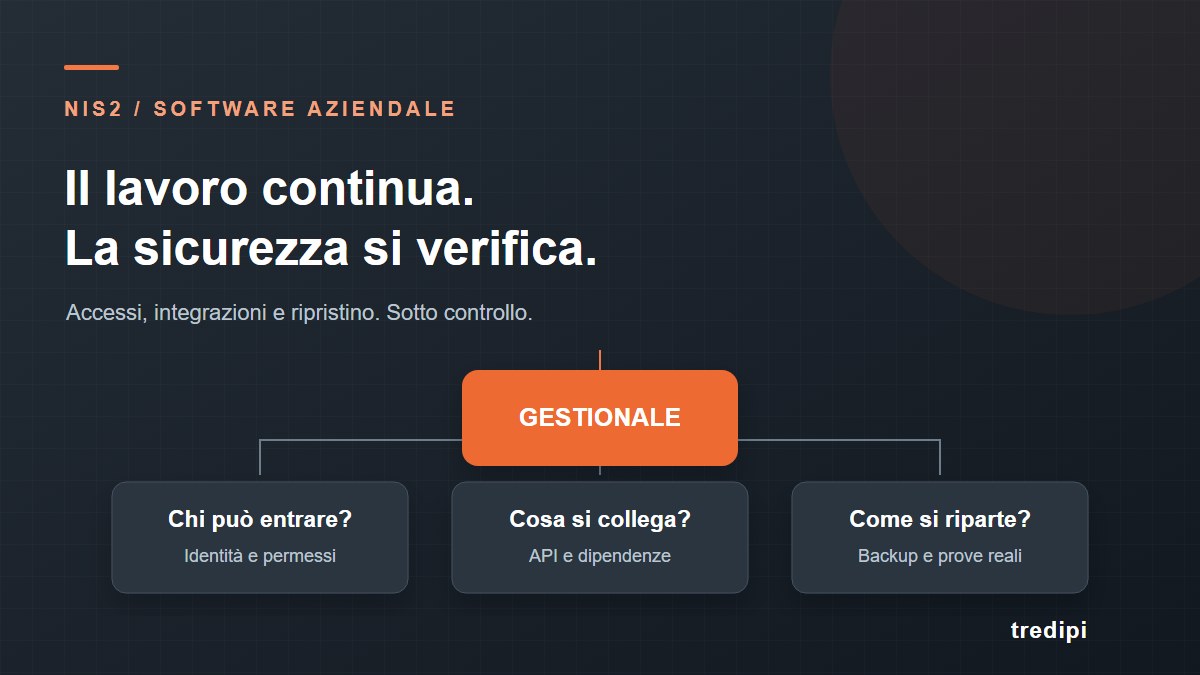
This brief exposes decisions that otherwise remain implicit. “CRM access” is too broad: an agent may need to consult a case without being allowed to export the entire database.
An instruction such as “do not send without approval” is useful, but the application must enforce that boundary even when the model gets something wrong. Microsoft’s guidance on secure agentic systems places operational constraints and approval checks in application logic as well.
In our example, the business software connection can expose a draft-creation operation without giving the agent a generic function for changing any record. The sending service checks recipient, approved version and permissions before proceeding. Retrieved documents and incoming emails are content to process: they must not be able to grant new permissions.
Work performed on behalf of a user also needs to be distinguished from autonomous tasks. A shared credential with administrative privileges makes it harder to constrain access and accountability. The AI agent shared responsibility model helps clarify which controls remain the organisation’s responsibility when using a managed platform.
An initial demonstration should test ordinary work and its boundaries. For the quotation agent, we would include at least these cases:
These are design criteria, not a security certification. Tests need to reflect the systems involved and be repeated when tools, accessible data or permitted autonomy change.
To assess value, we would measure the time needed to prepare a reviewable offer, corrections required, completed cases and exceptions needing attention. A large number of generated responses does not, by itself, demonstrate a better process.
Diagnostics should make it possible to understand the operation, authorisation applied and outcome, with defined access and retention, without indiscriminately recording documents, personal data or secrets. Even a reliable agent needs an owner who reviews permissions when roles, customers or integrations change.
We start with a focused activity: define the expected outcome, separate reading, proposing and executing, and identify where human judgement is needed. This provides a basis for designing the integration and an initial trial with clear acceptance criteria.
If you are considering an AI agent for sales, support or administration, we can review the process and systems involved together. Explore our business AI services and systems integration, or contact Tredipi with the activity you would like to simplify. The first useful outcome is understanding what to authorise and how to test it before extending automation.