The AI agents in company management systems they can help connect requests, documents and operations that today require manual steps between multiple software. To obtain a useful result, it is necessary to define what data they can read, what actions they can propose and who must authorize the changes. The choice of the model comes after the definition of this perimeter.
A first integration can prepare a draft order, search for the status of a case or classify a request. The goal is to make the work more verifiable, keeping responsibility in the hands of the people who know the process.
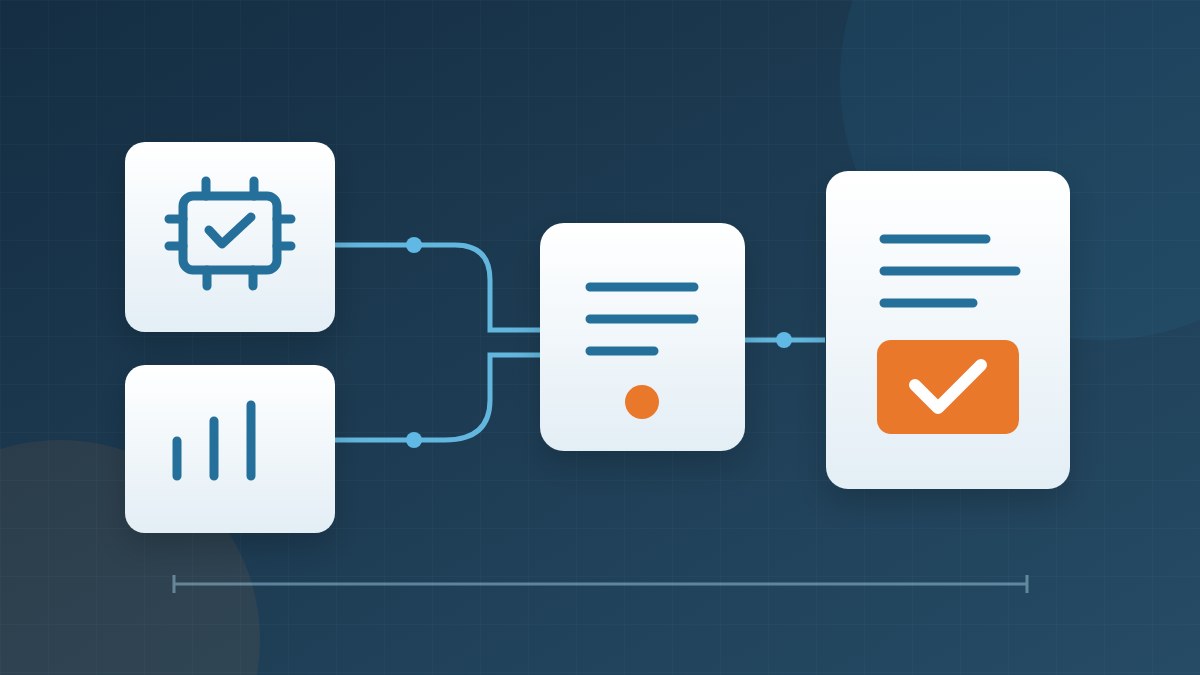
An agent combines an AI model with authorized tools: for example a catalog search, reading an order or creating a draft. The software that hosts it decides which tools to expose and applies controls over data and operations. The model can propose the next step; the application verifies that that step is allowed.
This approach allows you to deal with requests formulated in natural language without entrusting the administrative credentials of the management system to the model. Tasks with stable rules, such as a calculation or availability check, can continue to be performed by existing software.
The Microsoft Work Trend Index 2026 describes the adoption of agents as a change that also involves the organization of work. For an SME, the concrete question is which steps to delegate and how to control their outcome.
The following scenarios are hypothetical examples, to be evaluated on the systems and data actually available. They do not describe customer results or features already present in the products mentioned.
The frequency of the activity, the quality of the information and the time needed to correct a proposal help to choose an initial case. A poorly defined process requires organization work first.
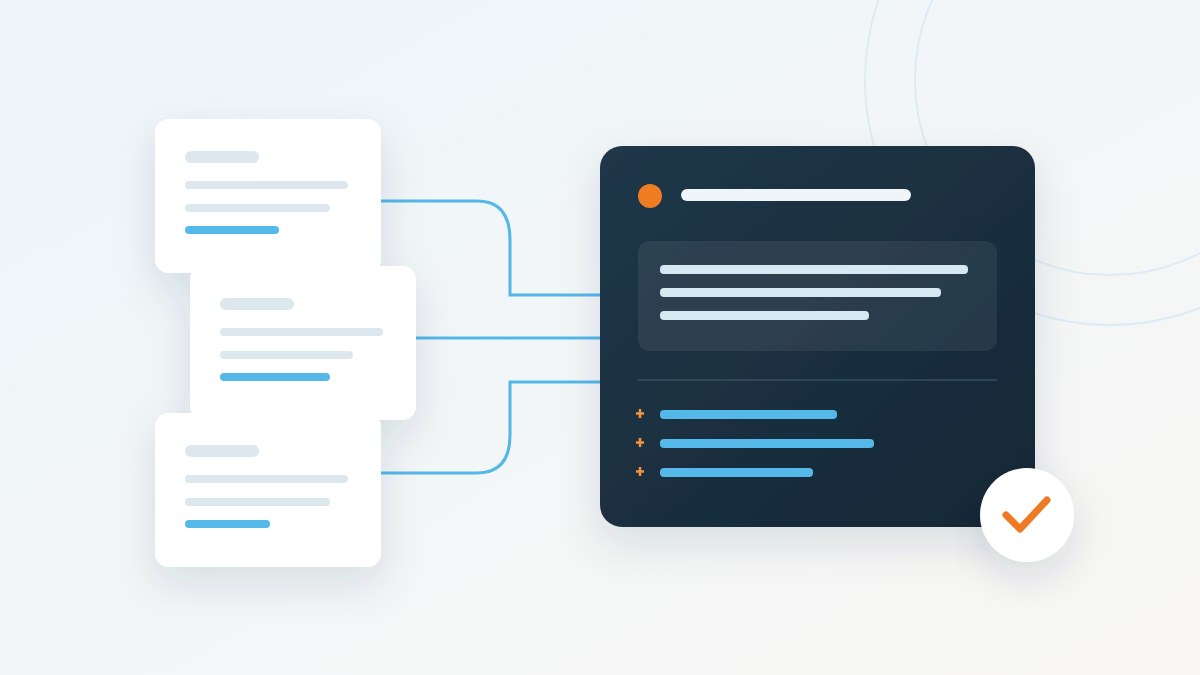
Let's imagine a company that receives purchase requests via email and reports them manually into the management system. A limited test could follow this path:
If a code does not exist or two products are compatible with the description, the flow must stop and ask for a choice. In this first test the agent prepares the work; Order confirmation and communications to the customer remain subject to the agreed controls.
The starting point is to check the available interfaces: APIs, connectors or documented import and export procedures. When they exist, they allow you to respect the management rules and to delimit the permitted operations. The absence of an adequate interface may require intervention System Integration or an evolution of the software.
It is convenient to display small and recognizable functions, such as “search order” or “save draft”, with verified input data. The credentials remain in the application component that executes the function. The agent receives only the information necessary for the request and operates with limited permissions.
Even the complexity must be chosen on the real case. The Microsoft architectural guide on agents recommends starting from the simplest level that meets the requirements. A single processing or a single agent with a few tools may be sufficient; adding more agents involves additional coordination and control costs.
Control must depend on the consequences of the action. A consultation and a modification with economic effects require different precautions. This table offers a guide to define the perimeter, to be adapted to the process:
| Operation | Control to be expected |
|---|---|
| Consult the status of a case | User identity, permissions and source update. |
| Prepare a draft order | Mandatory fields, valid references and comparison with the original request. |
| Confirm conditions or send an offer | Explicit approval of the responsible person before execution. |
| Arrange payments or modify sensitive data | Exclusion from the first test or dedicated path with specific authorizations and checks. |
A confirmation button is only useful if the operator sees the information needed to make a decision. The source, the proposed modification and any uncertainties must be recognisable.
Messages and documents may contain instructions unrelated to the requested work. The system must treat them as data to be examined, without allowing permissions, recipients or available tools to change. AI responses must also be validated before using them in an application operation.
Each execution should have an identifier that allows the steps to be reconstructed: request received, functions called, proposal produced, approval and outcome. The register must contain everything needed for the diagnosis, avoiding credentials and indiscriminate copies of documents or personal data.
If a connection is broken, the software must distinguish a failed operation from a successful one for which there is no response. A retry does not have to create two orders or send two communications. We therefore need controls on duplicates, limits on attempts and a clear path for manual takeover.
The cost includes multiple elements: process analysis, connections with systems, preparation of admitted data, controls, audit interface and maintenance. Added to these are the consumption of the AI service and the time of the operators who verify the proposals.
For an estimate you need at least the number and type of requests, data quality, available interfaces and consequences of errors. A component already present in the management system can reduce the necessary work; a system without documented connections may require retrofitting first. To compare alternatives, ours is useful matrix between purchase, development, integration and waiting.
The evidence should be compared to the current process using representative requests and authorized data. The sample must also include missing information, ambiguous requests and cases that the system must reject. Before starting, you need to agree on what will allow you to continue, modify the solution or stop.
To prepare the control cases you can start from guide a evaluate an AI tool before real data. Se manca ancora un’attività circoscritta, il primo passo è choose the AI project to tackle.
The AI consultancy by Tredipi helps evaluate the process, alternatives and sustainable proof. Integration skills e custom software development allow you to address the necessary connections and controls on company systems.
The portfolio documents tools such as Easy Invoicing, for electronic invoicing, e Salarium, for the digital relationship between company and employees. Any AI functions and integration possibilities require a dedicated evaluation, starting from the features actually available.
Do you have a repetitive transition between emails, documents and management software? For a initial discussion it is enough to describe the process, the software involved and the point at which time is wasted today, without attaching confidential data. Let's talk about it and evaluate a concrete perimeter.