An AI agent can help us solve a problem. Making it work effectively within a team, on activities that continue over time, takes more. Over the past month, we have developed and used internal tools to organise work between people and AI agents on our projects. The experience is giving us practical insights into where value comes from and what makes it repeatable.
One lesson is becoming clear: the most interesting step is not getting a better answer, but reaching a result that other people can understand, check and use.
An individual conversation with AI is often a good starting point: it can help explore an idea, examine information or prepare a proposal. On a shared project, however, the next question rarely starts from scratch. There are decisions already made, constraints to respect, updated documents and work done by other people.
If that information stays in the memory of the person writing the request, every handover requires the context to be rebuilt. A plausible answer can be unhelpful simply because it overlooks an earlier decision.
We have therefore focused on continuity of context: making the objective, relevant sources and approved decisions available. This does not mean handing an agent every company document. It means identifying which information the task needs and who is responsible for keeping it accurate.
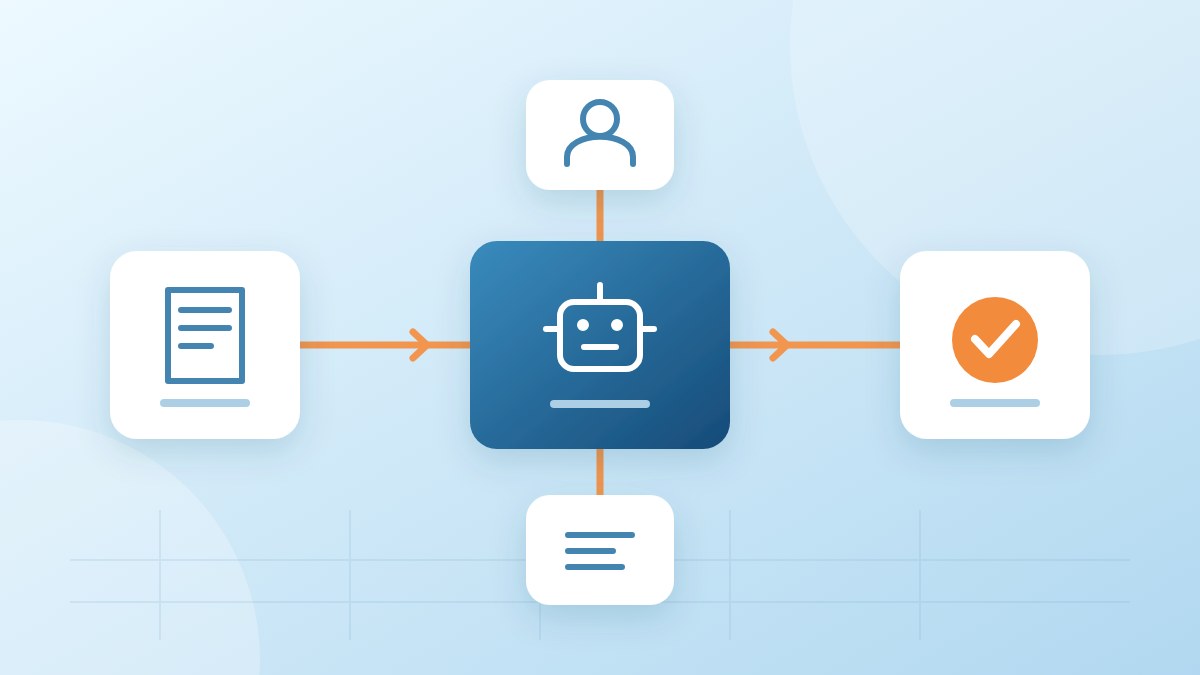
“Take care of this task” leaves too much open to interpretation. A usable assignment explains the expected outcome, the material to consult, the permitted operations and the point at which a human decision is needed.
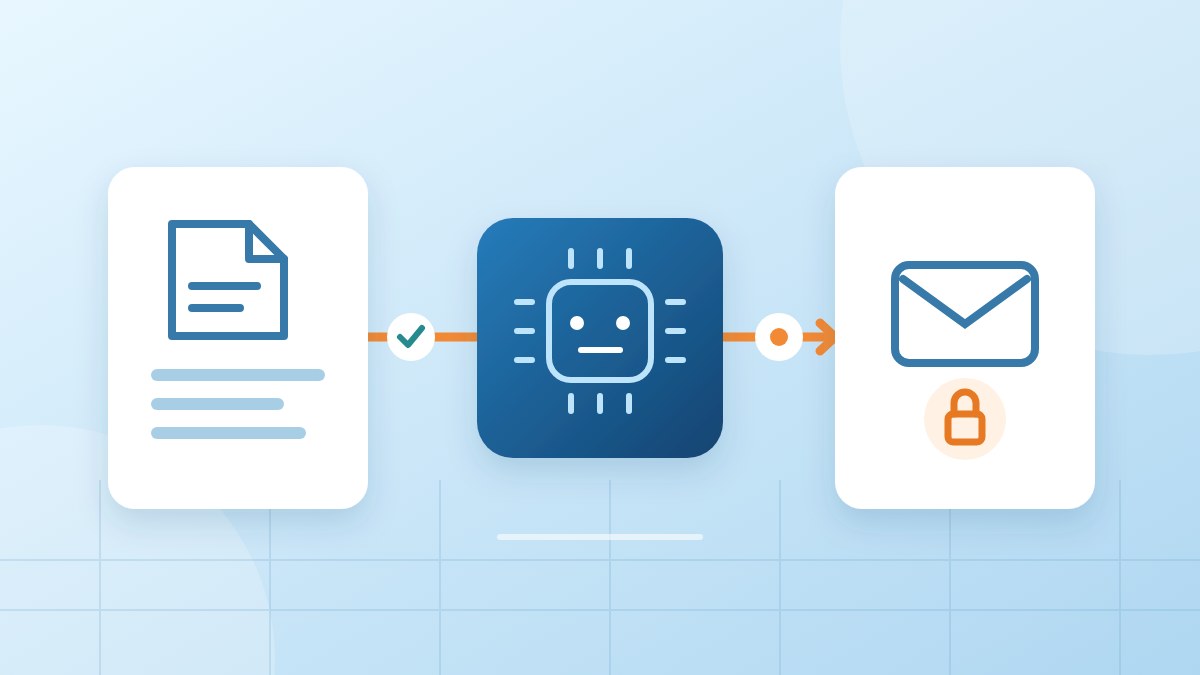
In software development, for example, analysing a problem, proposing a change, implementing it and publishing it are different steps. Authorising one does not automatically authorise the others. The distinction matters outside software too: preparing a message is not the same as sending it; comparing information is not approving a commercial decision.
We have learned to treat these boundaries as part of the process, rather than leaving them solely to a sentence in a request. The agent’s capability matters, but so does the organisation of the work entrusted to it.
An answer arriving does not demonstrate that a task has succeeded. A change being made does not demonstrate that it works in the environment where it will be used. This has been one of the most important distinctions in our experience.
To establish whether work is complete, we need verifiable criteria. For a software change, these might include checking behaviour, confirming that protected parts remain intact and providing an accessible delivery. For a document, they might include consistency with sources, coverage of the assignment and review by the person who will use it.
Different tasks need different checks. Verification should reflect the consequences of an error, without becoming a ritual that slows every step.
An agent that requests confirmation for every operation becomes difficult to use. One that proceeds without boundaries can perform unwanted actions. The useful question is therefore: which activities can it carry out independently, with which tools, and when must it involve a person?
In our experience, it is important to distinguish a consultation from an operational assignment. Someone exploring a possibility should be able to think it through without unintentionally starting a change. When a decision is made to act, the objective and responsibilities need to be explicit.
We still need to know who can approve a decision, who checks the outcome and who steps in when something fails. AI can contribute to the work; it does not remove the responsibility of the people organising it. Stopping an activity does not undo operations that have already taken place.
The effectiveness we are observing internally encourages us to continue. The most interesting aspect is being able to organise activities and compare the result with an identifiable assignment, while retaining the context needed for the next step.
This remains an evolving experience. We are not presenting productivity percentages, certified savings or customer results: we do not have sufficient measurements to support them. Controls help make the work more manageable, but they do not guarantee that every AI decision is correct.
A serious business evaluation should also examine what a quick demonstration tends to leave out: time spent preparing context, necessary revisions, errors, execution cost and how easily another person can pick up the work. A fast output loses value if it needs extensive reconstruction before anyone can use it.
Our starting point is work on software projects. Applying the method to another business process requires a specific assessment: using the same tool with different information is not enough.
A sensible first step is to choose a bounded activity that occurs often enough to evaluate and produces a result someone can check. In an illustrative scenario, this could mean preparing a summary of technical documents for an internal review: identified sources, a specific recipient and approval before any external use.
Before starting, we define five things together:
This reflects our approach to artificial intelligence consulting and development: start with the process, understand where AI can contribute and build the necessary integrations. Depending on the context, the project may also involve custom software and existing business systems.
The lesson we are taking forward is this: adopting AI agents is more than adding a digital conversation partner. It means designing the relationship between information, actions and people, with a concrete outcome as the reference.
If your company has an activity that repeatedly involves reconstructing information, coordinating handovers or preparing material for review, we can start there. Let us discuss the process you want to improve: together, we can assess where to experiment, what to measure and which conditions are needed to produce a usable result.