A first useful AI project starts with concrete work, not the name of a tool. Who carries out the activity? What information does it use? What makes it difficult to complete? What decision does a person have to make? Answering these questions allows you to compare AI with simpler alternatives and even decide not to adopt it.
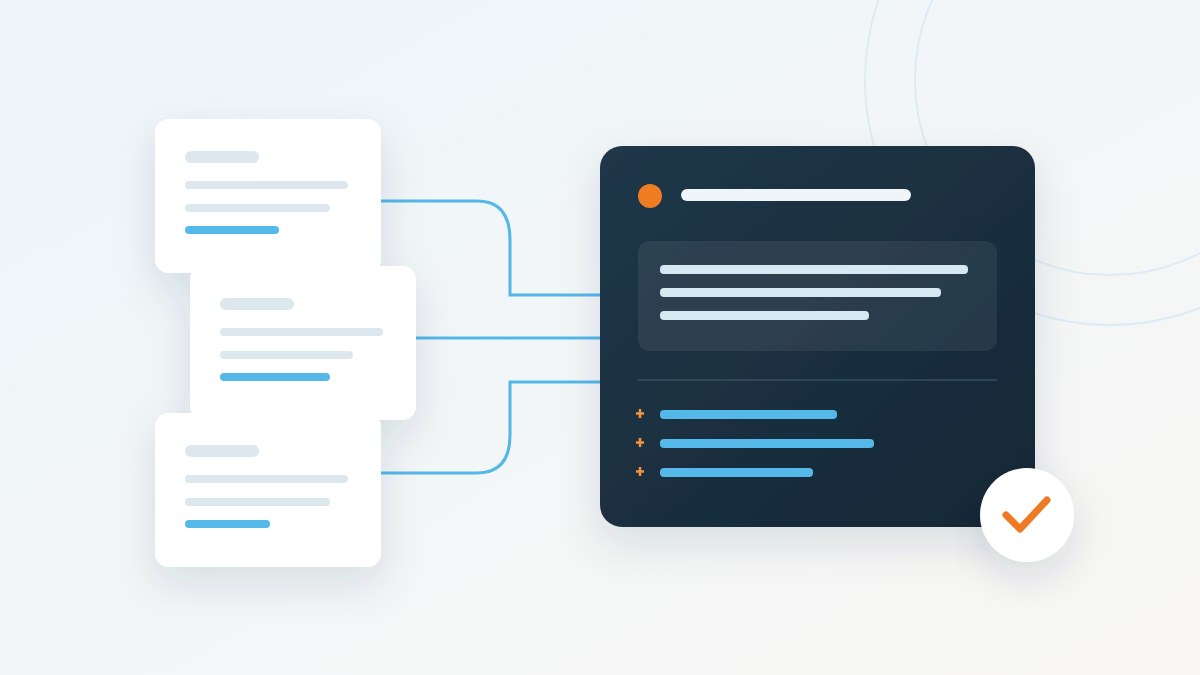
Let's imagine a studio that keeps work instructions in different folders. This scenario is entirely hypothetical: it does not describe a Tredipi customer or results. The initial question is "How to find the updated procedure without consulting documents that the user is not authorized to see?". It's not yet "Which chatbot to buy?".
The process contact prepares an inventory: name of the procedure, version, responsible, revision date and authorized group. Missing or contradictory documents remain outside the evidence. We work first with synthetic documents or with expressly permitted material; the company archive is not uploaded to a service chosen for convenience.
An initial card could look like this:
| Element | Hypotheses to be verified |
|---|---|
| Activities | Search for a procedure and indicate the updated source. |
| Users | An authorized internal group, to be identified. |
| Alternatives | Organized folder, traditional search, configured product or AI integration. |
| Error to avoid | An unanswered response or an unauthorized document. |
| Human control | Compare the response with the original procedure before use. |
| Stop condition | Conflicting sources, incorrect access or inability to control the outcome. |
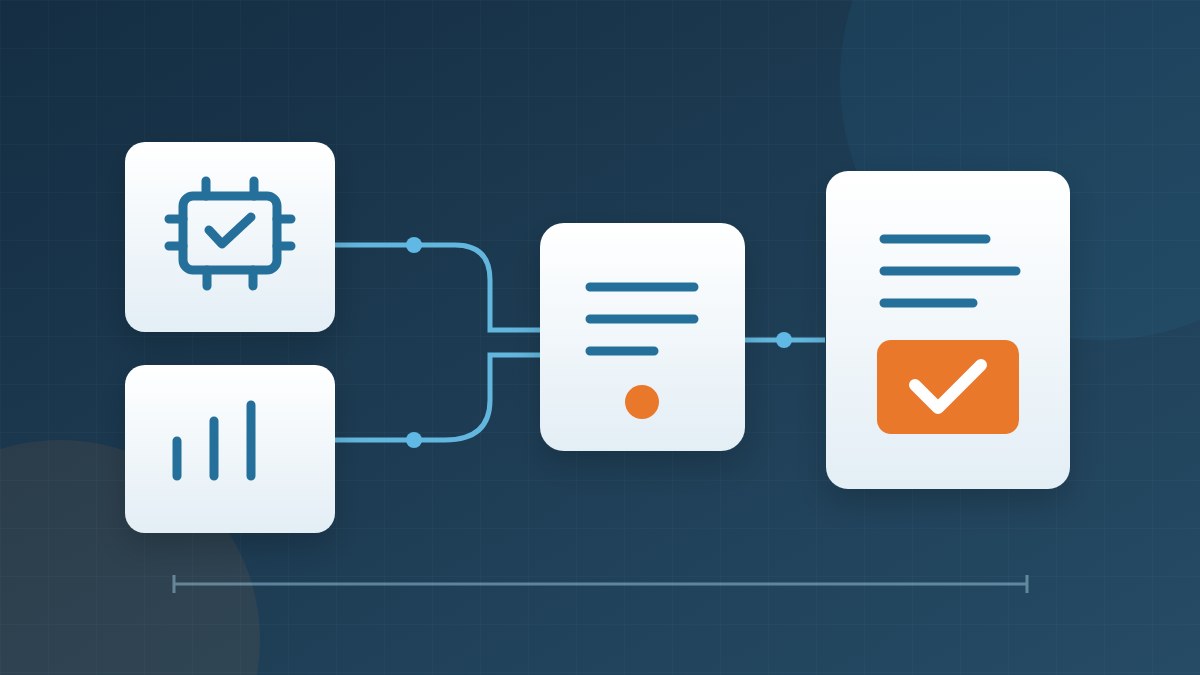
For a first test, the group could propose a sample of frequently asked questions, ambiguous cases and out-of-bounds requests. The number must be agreed on the actual work: a convenient but non-representative sample can give a false impression of usefulness. The same questions are addressed with the current solution and the selected alternatives.
The search time is only an indicator. Correctness of reference, need for correction and compliance with authorizations are also needed. A quick but unverifiable response does not constitute an improvement.
| Proposed indicator | How to collect the baseline | What to compare |
|---|---|---|
| Search time | Measure activity with current tools on the shared sample. | The same activity and the same type of questions. |
| Correctness of the source | Record version and reference of the expected procedure. | Presence and relevance of the feedback provided. |
| Human intervention | Write down checks, corrections, and requests to forward to a colleague. | The overall work, not just the generation time. |
| Access | Prepare users and documents with distinct permissions. | That a request does not exceed the authorized perimeter. |
We do not assign savings, accuracy rates, or financial returns to this example. Baselines and thresholds require data, a method and a manager in the actual context.
If no one has the sources, if permissions are uncertain, or if the benefit is indistinguishable from that of traditional research, it makes sense to prepare the process before investing in AI. The decision to wait should indicate the activity, responsible party and condition of review, avoiding an indefinite postponement.
The NIST AI RMF connects context, measurement, and risk management; the related Playbook presents voluntary actions to be chosen based on use. The sheet and example in this article are original editorial proposals, not an official checklist or certification.
TheAI Opportunity Assessment helps to relate problem, data, alternatives and decision criteria. You can see the demonstrative facsimile or request an initial discussion. Se hai già un percorso avviato, il Trusted AI Advisor it concerns the continuous comparison of choices.