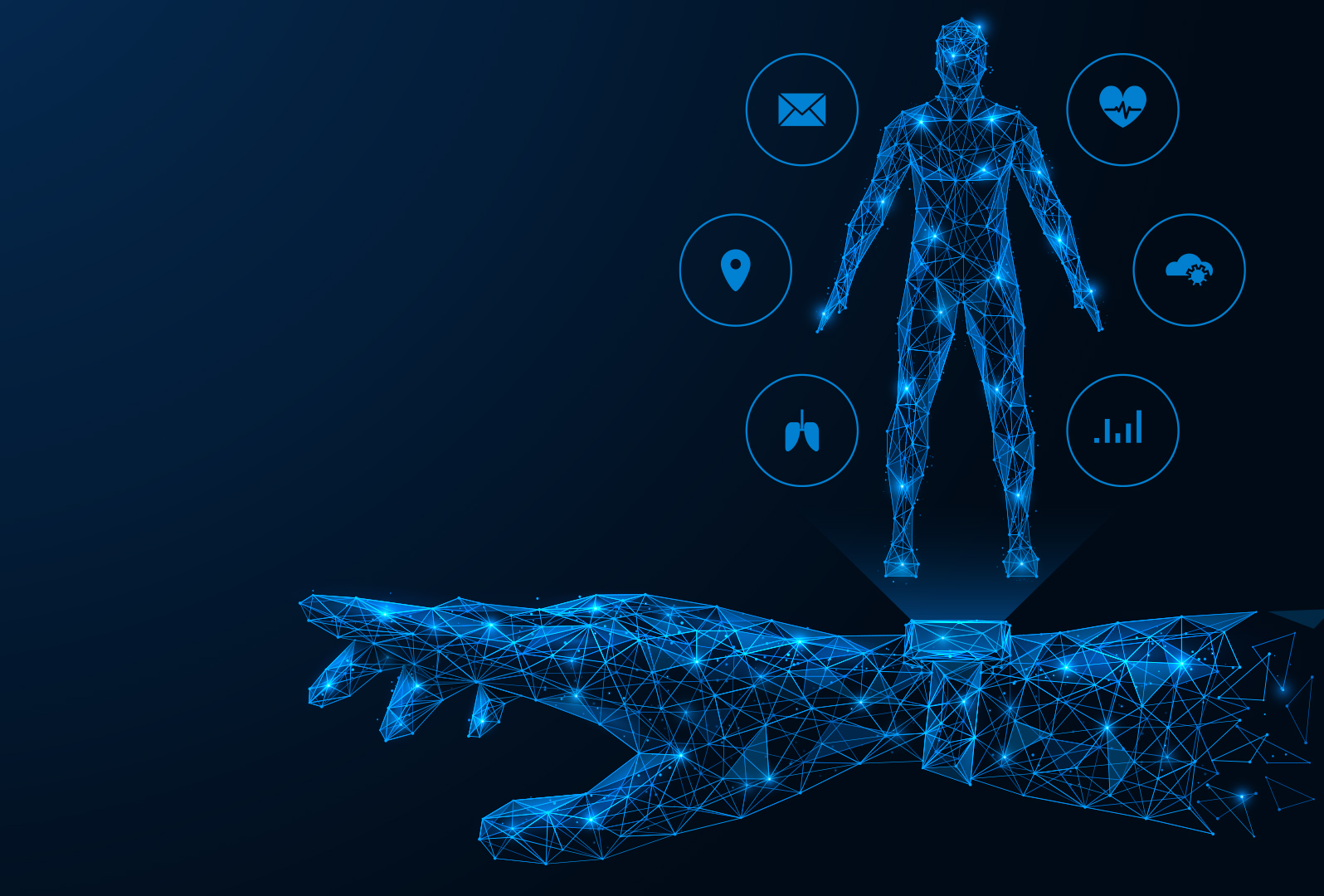
Wearables devices are essentially different types of products. In general, this term refers to smart watches, but it can also include smart glasses, or more specific tools used especially in sports or medicine. In any case, these tools are carving out an increasingly important role in the tech market and digitalization.
We at Tredipi help various companies, supporting them by developing wearable applications for them, i.e. ready to be used with these particular tools.
But what is the meaning of wearable? To give an example of these devices we can talk about headphones, glasses, watches. In essence, is defined as any technological device that can be worn, or applied to an item of clothing or body accessory, such as a tracksuit. This is the only point that defines them, and there are no other clarifications to make, especially regarding the possibility of use.A wearable can be a medical aid, a way to obtain further information or a sports monitor. It all depends on the type of application developed for the same.
In light of the analysis of the most widespread wearable technologies,devices can be considered as such. intelligent which can be placed on the user's body and which connect to other machines, such as smartphones, tablets or pc, for exchange data or store it. Usually, the connection used most in these cases is wireless, such as bluetooth. Furthermore, both the starting and arriving apps allow us to collect data without requiring human intervention. Starting from the definition of Internet of Things, then, wearable devices have the possibility of offering the user information, making him aware of facts, monitoring his health or avoid dangerous situations. Generally speaking, there is no limit to their use, because their functioning essentially also depends on the type ofapplicationsthat are developed.
Generally speaking, the most widespread wearable technologies include 4 types:
Wearables in the form of headphones are certainly very widespread and have many more functions than classic music reproduction. In general, in fact, they can also be used for health, managing for example to amplify sound or reduce noise for people who have hearing difficulties.
The bracelets or smartwatches, on the other hand, allow you to reveal the health or physiological parameters of the wearer, for example by monitoring the heart rate, blood oxygenation or blood pressure. Furthermore, they are also a valid aid for athletes, a form of virtual and precise training diary where it is possible to keep track of sporting progress.
Wearables in the form of glasses are the plus ultra of the Internet of Things, allowing access to augmented reality thanks to a display positioned on the lenses and the presence of an integrated projector. These devices allow the user to obtain real-time information or analyze the surrounding environment and obtain data.
Finally, some of the latest technological discoveries and developments have led to the creation of intelligent fitness products that have the same function as wearables, such as shorts or tracksuits that monitor physical activity and workouts, sending information in real time to the connected smartphone.
Wearable devices, in this sense, can offer the user various possibilities if supported by the right applications. What also makes these tools unique is their particular mechanism of action and data collection. Regardless of whether the information is incoming or outgoing, in fact, the analysis and recording of events is in real time: this means that they return facts and events of the physical world without requiring complex calculations to wait for.
From this perspective, given that people are increasingly looking for immediacy, wearables will take over compared to more traditional and bulky systems, such as computers or smartphones. For this reason, companies should start investing now in development of applications wearables: at Tredipi we offer consultancy and then help in creating programs capable of making the most of these devices.