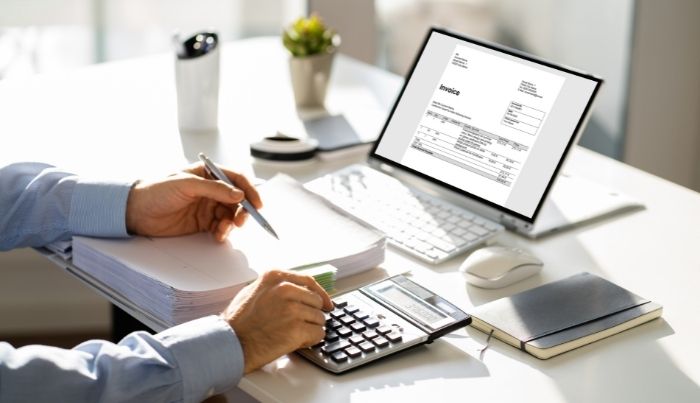
Having become a mandatory solution for all subjects starting from 1 January 2019, Electronic Invoicing in a short time has managed to completely overturn the old methodologies used to compile, send, receive and even store traditional invoices. But what is Electronic Invoicing actually and how does it work? Let's find out.
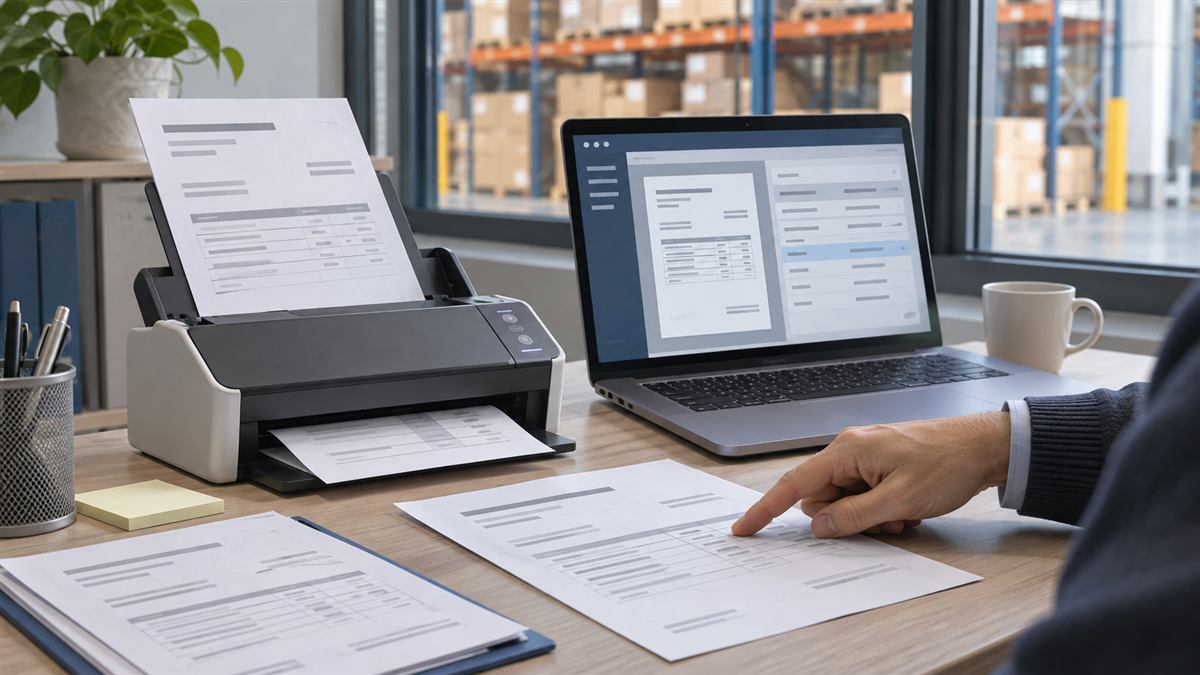
By Electronic Invoicing we mean a digital process aimed at transmitting, receiving and storing invoices in such a way that the entire paper support required by traditional invoices is definitively abandoned with all that follows in terms of savings, speed, functionalityand respect for the environment.
It is interesting to see how electronic invoices, therefore digital, were foreseen and introduced for the first time in 2008 thanks to the financial law of the time. Shortly afterwards it was the European Union itself that urged its member states to take action to create a system and technological support with which to manage the new invoicing system and the related tax control.
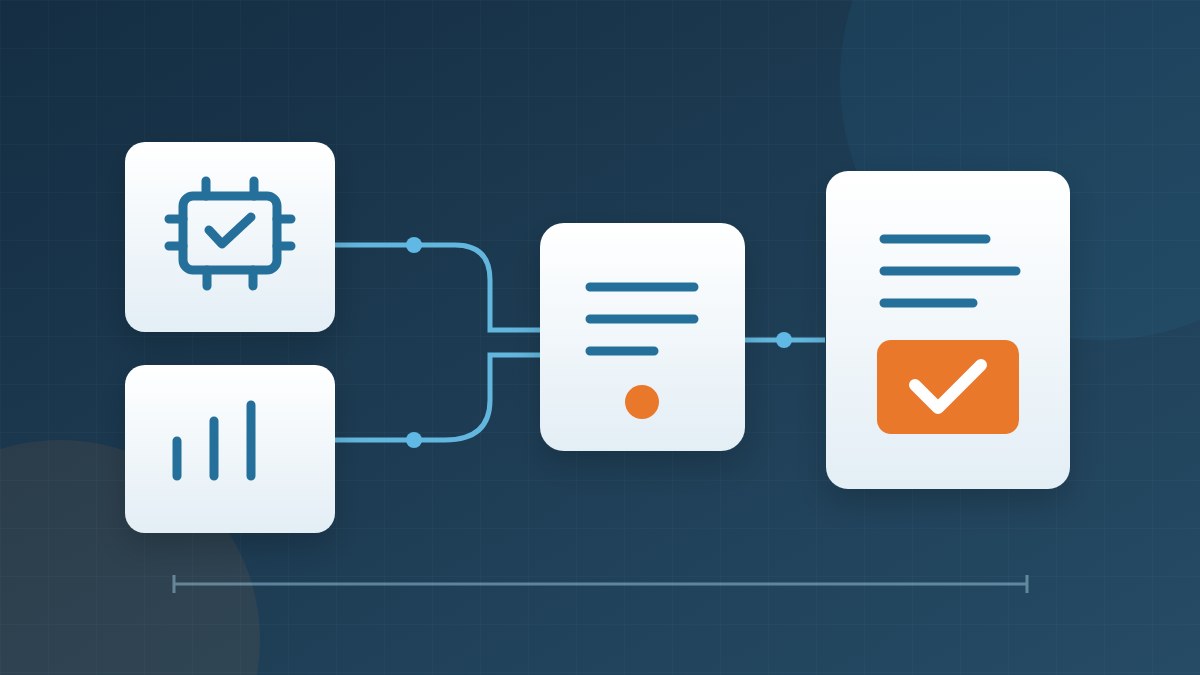
Each electronic invoice requires its processing in a specific digital standard format called XML, an acronym for Extensible Markup Language. This is a computer language which, in addition to being necessary for the compilation of the invoice itself, also deals with checking the contents contained in it.
Obviously an electronic invoice has the same legal value as a paper one, the only difference between the two solutions consists precisely in the format, paper in one and digital in the other. However, in order for the electronic invoice to be accepted by the reference system, it is necessary that it follows a very specific operational path and this is precisely what we will illustrate in the next paragraph.
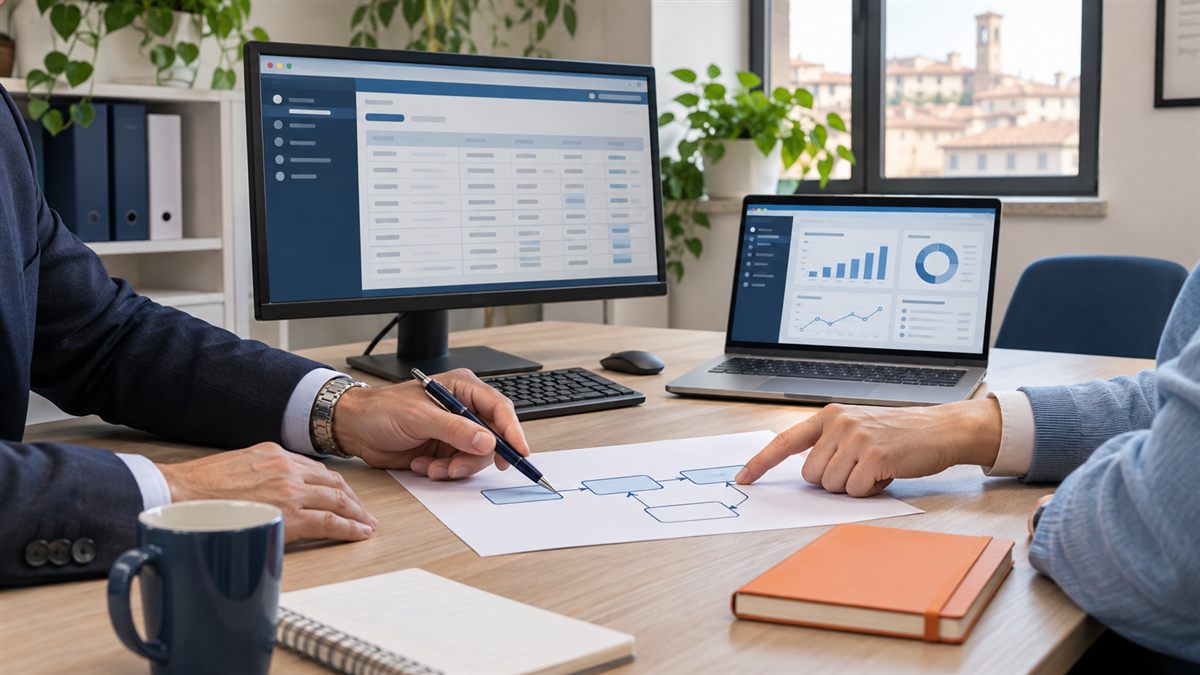
In practical terms, how do you make an electronic invoice? Despite what you might think, its operation is decidedly simple.
These measures also include the obligation of electronic invoicing for flat-rate entities. The government's objective is to reach a clear and shared positionby the second quarter of 2022. Specifically Italy has officially asked the European Union to extend the Electronic Invoicing obligation until 31 December 2024 and at the same time to apply an extension to flat rates. The proposal was officially approved on December 13, 2021.
We have seen how an electronic invoice enjoys an extremely intuitive operating system, but if you want to ensure that this simplicity becomes undisputed usability for the user it is essential to turn to tools capable of enhancing and managing the characteristics of the digital invoice, tools such as cloud software. Having a cloud software to manage Electronic Invoicing first of all means being able to count on a user-friendly tool with which not only to manage all invoices and any documents, but also all other operational aspects in an extremely user-friendly way.
A cloud software, for example, has the undeniable advantage of not having to depend on a specific platform, which means that your documents and invoices will always be available regardless of where you connect. It will be possible to create, send and receive invoices, including PA, immediately, without considering that most cloud software has an integrated import and export management system, which considerably simplifies the archiving of invoices and documents.
We conclude the discussion by illustrating the main advantages of Electronic Invoicing, although many of them can be understood in light of the information provided so far. The primary advantage is certainly that of favoring digitalization of businesses and to abandon without any repercussions or harmful consequences the entire paper-based system which has now become unsuitable for modern times. In addition to this, the significant savings in terms of paper purchase costs, the operational speed of managing all data, the possibility of minimizing every possible factor of human error and finally thegreat saving of time should not be underestimated.
facilefatturare.it is a cloud software that allows you to manage the electronic invoices of your business with just a few clicks. If you fall under the flat-rate regime, it may be useful to use electronic invoices right now, so as not to find yourself unprepared and to better prepare yourself for allthe obligation of electronic invoicing for individuals in the flat-rate regime.
Create an account: three months free trial for you! Then choose the license that best suits your needs based on the number of documents you issue in a year. What are you waiting for? Try Easy Invoicing now and start issuing your electronic invoices from any device: the cloud software allows you to access wherever and whenever you want with a simple internet connection!